By tariqriaz
“We inherit silence. We inherit strength. We inherit weakness. But we must choose to be present.”
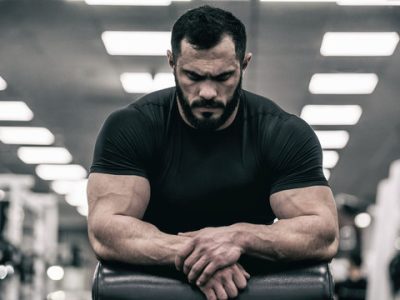
In many homes, the man is a shadow. He is there, perhaps as a provider, perhaps as a force to reckon with, but rarely fully present. Not because he doesn’t care, but because he never learned how to be.
We often speak about the strength of motherhood: the mother who carried, comforted, loved, and held the family together. But what happens when the father is emotionally absent, not just in certain cultures, but across societies? Whether we grow up in Gothenburg, Beirut or Paris, what happens to children who never see a man express tenderness, responsibility, or vulnerability?
When the norm collides – even within us
We often talk about cultural clashes between societies, but they also exist within every culture, every family, and within ourselves. A young man might be raised to be “respectable”, strong, and silent, yet also told by school or society to “open up”, “be soft”, and “talk about feelings”.
It’s not always cultures that clash, it’s competing ideals of honor, masculinity, and emotion. To navigate this, young men need security, guidance, and self-knowledge.
The double message of society
Modern society sends mixed messages: “Be emotional, but not weak.” “Be equal, but lead.” “Be open, but not too much.” This confusion doesn’t only affect men from certain backgrounds, it affects all of us. And in this fog, we need new kinds of male role models.
A new kind of presence
A present man is not perfect. He is not always strong. But he is there, in the conversation, in the child’s gaze, in his partner’s life. He dares to be vulnerable without losing his dignity. He knows that authority is not about power, but about responsibility.
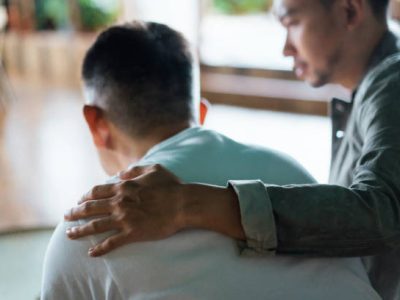
A present brother listens, supports, protects, without controlling. A present father teaches his child to feel, not just to perform. A present friend sees beyond pride.
We need to craft new stories of manhood, where strength and tenderness can exist side by side. Where we don’t have to choose between tradition and modernity, but wholeness.
Five Simple Ways to Be a Better Man, Father, Brother, and Human
- Be brave enough to be soft
Showing emotion is not a threat to your manhood, it is a sign of inner strength. A present man dares to say “I don’t know,” “I need help,” or “I’m sorry.” Gentleness is not weakness, it is wisdom.
- Listen more than you speak
In a world where everyone wants to be heard, the one who listens with presence is a rare gift. Listen to your children, your partner, your friends, without rushing to fix, judge, or reply.
- Break the silent chains
Reflect on what you’ve inherited, silence, fear, anger, shame. It’s not your fault that you carry it. But it is your responsibility not to pass it on.
- Show love – clearly and often
Love is not just a feeling, it’s action. Asking how someone feels. Caring. Apologizing.
– Show your love before it’s too late.
- Be a role model, not a lecturer
You don’t need to be perfect , but you need to be honest, consistent, and present. Those around you learn more from what you do than what you say.